
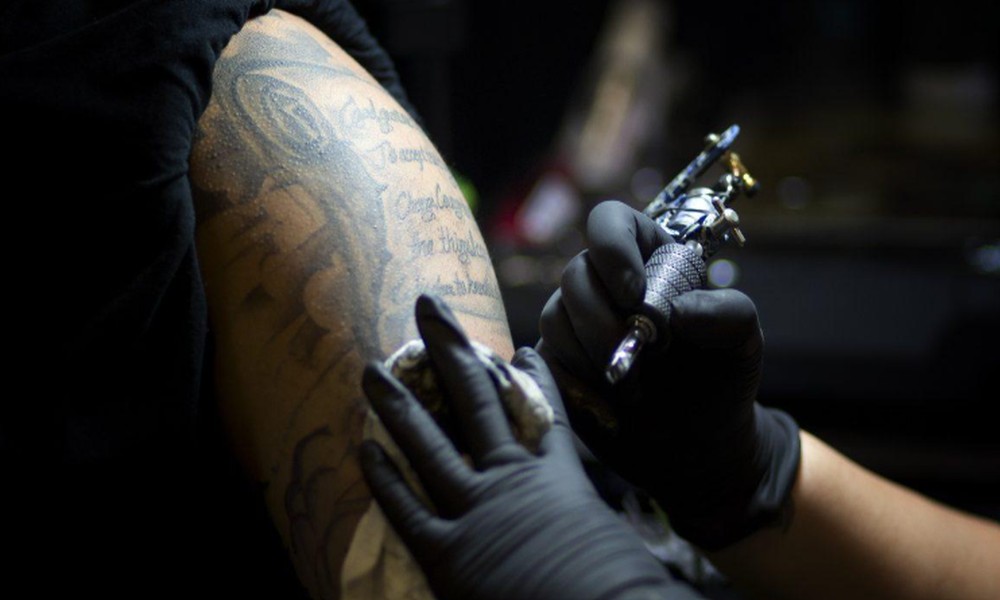
Tattoos are often seen as a form of self-expression, art, or personal storytelling. However, the final result does not always match what people envision before sitting in the artist’s chair. Understanding the realities of tattoos-from healing to long-term appearance-helps set realistic expectations and ensures greater satisfaction with the outcome.
Initial Appearance vs Healing
Freshly inked tattoos tend to look vibrant, sharp, and flawless, which can create high expectations. However, the healing process can temporarily alter this appearance. Scabbing, peeling, or slight color loss is normal as the skin repairs itself. Understanding that some fading or softening will occur during healing prevents disappointment and highlights the importance of proper aftercare to maintain color and detail.
Design Complexity and Skin Limitations
Intricate designs with fine lines or small details may appear perfect on paper but can face challenges on the skin. Skin texture, elasticity, and body movement influence how the ink settles and ages. Highly detailed tattoos may blur or lose clarity over time, particularly in areas with frequent friction. Choosing a design that complements the body’s natural contours improves the likelihood of a lasting, visually appealing result.
Placement vs Longevity
Where a tattoo is placed affects not only visibility but also durability. Tattoos on high-friction areas such as hands, fingers, or feet often fade faster and require touch-ups. Conversely, placements like the upper arm, back, or thigh provide more stability and better retention of detail. Being aware of how location impacts longevity allows for more informed decisions and realistic expectations.
Color Vibrancy Over Time
Vibrant colors tend to fade at different rates depending on pigment quality, sun exposure, and skin type. Darker inks such as black and deep blue generally last longer, while bright reds, yellows, and pastels may require more frequent touch-ups. Expecting a tattoo to maintain its initial brightness indefinitely can lead to frustration, so ongoing care and occasional maintenance are key.
Healing, Aftercare, and Lifestyle
A tattoo’s long-term appearance is influenced by aftercare, lifestyle habits, and natural aging. Proper cleaning, moisturizing, and sun protection during the healing phase help prevent fading and infection. Lifestyle factors like sun exposure, skin health, and hydration also play a role in how a tattoo ages. Recognizing that tattoos evolve helps align expectations with reality.
By understanding the differences between expectations and outcomes, individuals can approach tattooing with realistic insight. Planning carefully, following proper aftercare, and choosing designs that suit personal skin and lifestyle ensure tattoos remain vibrant, meaningful, and visually striking for years to come.
This post was written by J Michael Taylor. J Michael Taylor is an artist and the owner of Black Amethyst Tattoo Gallery. Looking for Tattoo shops in St Petersburg, Florida? Black Amethyst has you covered! They provide an art-first approach to custom tattooing in a gallery setting.
