Category

Fashion

Category

Office dress codes have been slowly reshaping themselves for years, and the accessories that belong in professional spaces have shifted with them. Jewellery in this context works best when it contributes to an overall impression without demanding its own attention. A fine chain at the collarbone, a small geometric stud, a slender cuff under a jacket sleeve: these function as finishing details rather than focal points. When it comes to corporate dressing, that restraint tends to read as a form of confidence. Minimalist silver ornaments have found a particularly strong home in this space.

The Logic of Restraint in Professional Jewellery

In a professional setting, the question being answered is different from what it is in a social context. The piece needs to sit within the overall look without pulling focus. Clean geometric form, quality of finish, and material credibility carry the most weight here.

Silver suits the corporate palette of navy, charcoal, white, and camel because its cool tone does not compete with those neutrals. Silver chains in fine to medium gauges sit at the collarbone, complete the neckline, and disappear into the broader look in the best possible way.

Pairing Minimalist Jewellery with Corporate Wardrobe Essentials

You can consider these recommendations for pairing that perfect jewellery to complete your corporate outfit.

Outfit Recommended Piece Why It Works
White formal shirt, navy trousers Fine silver chain Refinement at the neckline without distraction
Charcoal blazer, black turtleneck Small silver stud earrings Clean contrast against a strong overall look
Business casual button-down Layered light chains Relaxed but intentional
Formal suit, pocket square Minimal silver ring, single chain Cohesive without competing elements
Linen shirt, tailored chinos Bar or hoop silver earrings Modern, appropriate for creative sectors

The Role of Silver Earrings in Professional Settings

Silver earrings sit at face level, where conversational attention naturally collects, which means even a small piece registers clearly without needing to be large or elaborate. Studs, clean bar drops, and small geometric hoops in silver work consistently across the widest range of industries.

Silver earrings on AJIO span this range, from textured studs to minimal drops with a polished face. Pairing a silver chain at the collar with a matching stud creates cohesion without requiring any further accessory decision. Silver earrings in clean geometric profiles have become a consistent element in professional wardrobes for people who want jewellery that adds without announcing itself.

To Wrap Up

Minimalist silver jewellery brings polish to professional dressing once the right pieces are in place. AJIO carries 1,000+ pieces across contemporary and classic profiles, with free returns on eligible purchases.

FAQs

  1. What chain length sits best under a collared shirt?

A 45 to 50 cm chain typically lands at the collarbone, which is visible at the open collar of a button-down without sitting on or disappearing behind a tie.

  1. Are small silver earrings appropriate in conservative professional environments?

Yes. Studs and minimal drops read as considered rather than casual, and professionals across legal, finance, and consulting contexts wear them regularly without issue.

  1. How do I stop silver chains from tangling during travel?

Clasp the chain before placing it in a jewellery pouch or roll. Laying it flat rather than coiling it loosely helps significantly.

  1. Can minimalist silver jewellery hold up through long working days?

Yes, and that durability is a large part of what makes well-made minimal pieces a reliable investment for daily professional wear.

  1. How do I maintain daily-wear silver jewellery without much effort?

A soft cloth after each wear removes skin oils and prevents tarnish. A polishing cloth once a week maintains the finish without any further product.

Article image

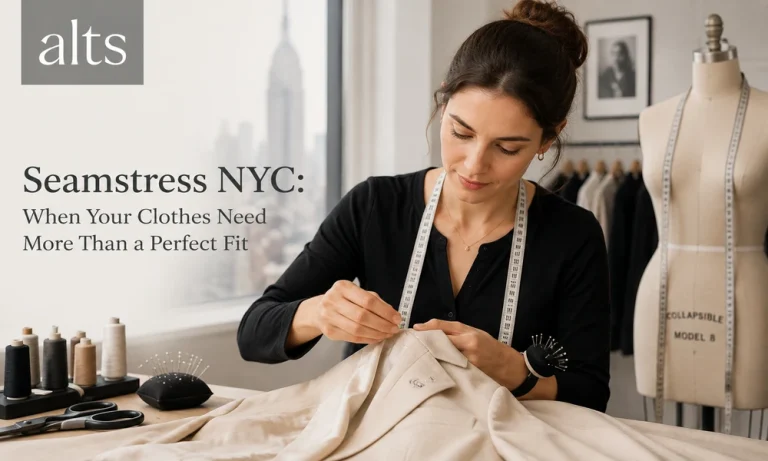
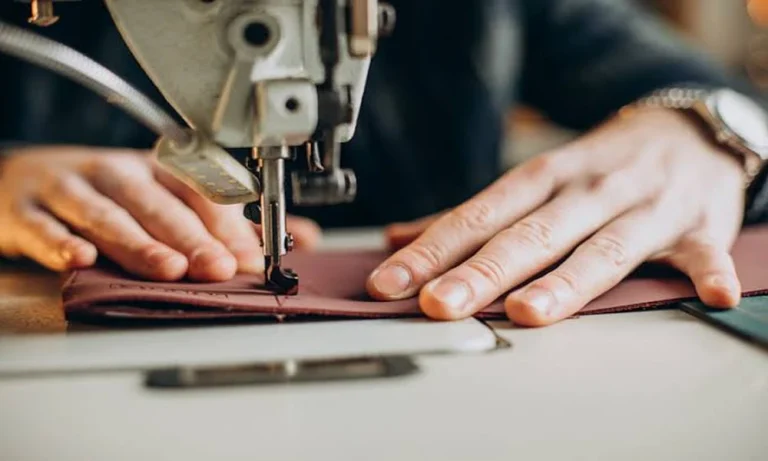
The clothes which you wear should fit well, as not a nice dress looks good on the body. Sometimes the solution does not involve purchasing something new. It need not be an actual thing; a measured alteration, repair, or adjustment could suffice. This service known as sewing is nothing but a need having the right seamstress NYC can allow you to have the tailor fit and the longevity of your clothes.

More Than Simple Alterations

A seamstress may work with fabric, sewing, and clothing construction. Hemming and resizing are two of the most common services, but it can also go a lot further than that.

A seamstress may work with depending on experience and garment type:

  • Dress alterations
  • Hemming trousers and skirts
  • Zipper replacement
  • Sleeve adjustments
  • Waist alterations
  • Garment repairs
  • Custom sewing projects

To make substantial changes, it’s good idea to talk about your garment before you ask for specific services as the exact services offered may vary.

Epic Garment Restoration − When a Favorite Needs Saving

Your wear and tear can ruin your clothing. But − zippers break, seams open up, and little tears occur.

You do not always need to throw away the garment.

An experienced seamstress NYC professional knows how to fix the damage while maintaining the original features of your outfit. This is particularly helpful when the object may have sentimental value or be irreplaceable.

Personalization: More Custom Changes

Ready to wear clothes are made according to standard measurements. Your body might not be that size, however.

For example, the style of a dress might be what you like, but you’d prefer it with a different waist. A jacket could be pleasing to the eye but requires sleeve alterations. A skirt may require a different measurement.

This can be a careful negotiation, offering modifications which help these garments to feel more personalized without altering their fundamental aesthetic.

Special Clothing Needs Extra Care

Some pieces are a bit more involved than your average wear.

They likely include construction of heavily-complicated gowns or fabrics will be used for dresses like wedding and formal dresses, suits that require a low-armhole. Typically, one part may impact another when you change.

However, before selecting a seamstress NYC service to have your garment altered, first ask them if they have experience of the type of clothing.

A good example might be a formal dress, where the lining, beading, lace, structure, and overall shape need to be accounted for in a seamstress alteration.

Ask Before the Needle Touches the Fabric

That being said not all garments can be altered in every possible way. Fabric, seams, construction, and available material can limit what is possible.

A professional must examine the garment and explain what needs to be done before any substantial work can begin. Also, inquire about the cost and time frame of completion.

Give Your Clothes Another Chance

There are some things that a good seamstress NYC service can do for you beyond simply fixing a loose seam. A skilled professional will be able to enhance the fit, restore clothing that’s damaged, and alter garments when necessary.

Before throwing out a near-miss, how can you change it to make it work? In some cases, a couple of careful stitches can provide your favorite clothing many more years.

Key Highlights

  • A high-quality rash guard protects your skin from both UV rays and board irritation.
  • Boardshorts with four-way stretch provide the mobility required for complex manoeuvres.
  • Thermal layers are essential for maintaining core body temperature in cooler waters.
  • Moisture-wicking fabrics help you stay comfortable during transitions between water and land.

Introduction

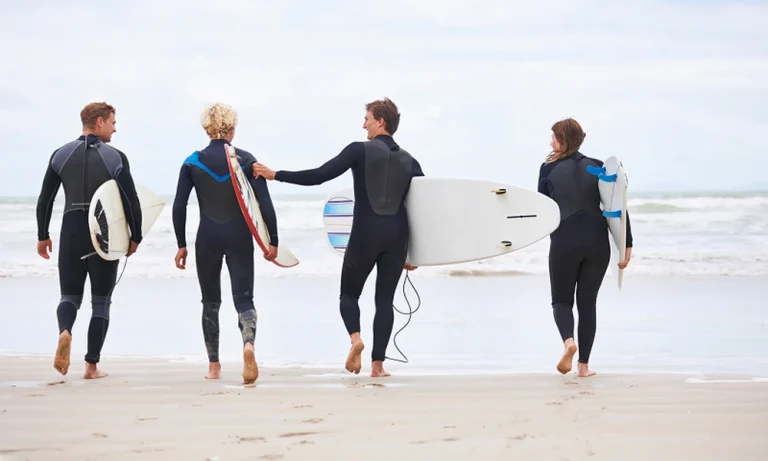
Surfing is a sport that demands both physical agility and the right equipment to handle ever-changing environmental conditions. While the surfboard is the most obvious tool, the clothing you wear plays a critical role in your performance and comfort. Proper surfwear is designed to protect the athlete from the elements, including the abrasive surface of the board and the relentless rays of the sun. As the seasons change, so do the requirements for your attire. In the height of summer, lightweight and breathable fabrics are necessary to prevent overheating, whereas winter sessions require specialised insulation to ward off the chill. Investing in a versatile wardrobe ensures that you can hit the waves at any time of the year without compromise. Whether you are a beginner or a seasoned professional, having the right gear is the first step toward a successful session.

The Essential Rash Guard for Sun and Skin Protection

One of the most important items in any surfer’s kit is a reliable rash guard for men. Originally designed to prevent the board rash caused by friction against the wax on a surfboard, these garments have evolved into high-performance protective gear. Most modern versions offer UPF 50+ protection, which is vital when you are spending several hours in the direct sun. Because water reflects UV rays, surfers are at a higher risk of sunburn even on overcast days. A well-fitted rash guard should feel like a second skin, providing a snug fit that does not drag in the water or interfere with your paddling motion. Flatlock seams are a standard feature in quality surfwear, as they lie flat against the body to prevent chafing during repetitive movements.

High-Performance Boardshorts for Maximum Mobility

While a protective top handles the upper body, the right pair of boardshorts is essential for lower-body freedom. Unlike standard swim trunks, performance surfwear is constructed from lightweight, quick-drying materials that do not become heavy when wet. The inclusion of four-way stretch technology allows for a full range of motion, which is crucial when popping up on a board or executing sharp turns. It is also important to look for a secure closure system, such as a sturdy drawstring or a reinforced fly, to ensure the shorts stay in place during a heavy set. Many designs also feature a low-profile pocket with a key loop, allowing you to keep small essentials safe while you are in the water. Choosing the right length is a matter of personal preference, though most surfers opt for a mid-length cut that avoids catching on the knees.

Thermal Protection for Cold Water Sessions

When the temperature drops, standard summer gear is no longer sufficient to keep you safe and comfortable. This is where thermal surfwear becomes indispensable. Neoprene tops and hooded vests provide an extra layer of insulation that traps a thin layer of water against the skin, which is then warmed by your body heat. For those who brave the coldest climates, a full wetsuit is a requirement, but for transitional seasons, a thermal rash guard for men can be a great middle ground. These garments often feature a brushed lining for extra warmth without adding excessive bulk. Staying warm is not just about comfort; it is a safety issue, as cold muscles are more prone to injury and fatigue. Proper insulation allows you to extend your time in the water and maintain your reaction speed even in brisk conditions.

Versatile Transitional Gear for the Shore

The time spent out of the water is just as important as the time spent on a wave. Transitional surfwear includes items like lightweight windbreakers, moisture-wicking t-shirts, and comfortable hoodies that you can throw on immediately after a session. These pieces are designed to help your body regulate its temperature as you dry off and shield you from offshore breezes. High-quality brands focus on fabrics that dry rapidly, preventing that damp, heavy feeling that often accompanies traditional cotton clothing. By choosing items that are both functional and aesthetically pleasing, you create a cohesive wardrobe that works for the coastal lifestyle. Durable construction ensures these items can handle the sand, salt, and sun that define the surfing environment.

Conclusion

Building a comprehensive collection of surfwear is an investment in your passion for the ocean. By selecting the right pieces for each season, you ensure that environmental factors never stand in the way of a great session. From the essential protection of a rash guard for men to the advanced technology of thermal layers, each item serves a specific purpose in enhancing your experience. Quality gear not only improves your performance but also keeps you safe from the sun and the cold. As you refine your skills on the water, having the right attire will provide the confidence and comfort needed to take on any wave.

Contact Hurley today for expert advice on choosing the right fit for your next adventure.

Key Highlights

  • The time-intensive process of traditional hand-dyeing ensures that every piece of premium batik is a unique work of art.
  • High-quality natural fibres, such as premium cotton or silk, offer superior breathability and comfort in tropical climates.
  • Authentic batik patterns carry deep cultural meanings and historical significance that mass-produced prints cannot replicate.
  • The durability of traditionally made batik means the colours and patterns remain vibrant even after years of regular wear.

Introduction

In a world dominated by fast fashion and mass production, the appeal of artisanal craftsmanship continues to grow among discerning buyers. When looking for men’s shirts in Singapore, many are turning to batik as a way to combine personal style with cultural heritage. However, not all batik is created equal. There is a significant difference between low-cost, screen-printed designs and premium, hand-drawn or stamped batik fabric. Investing in high-quality batik is not just about purchasing a garment; it is about supporting a centuries-old art form and owning a piece of history. Premium batik offers a level of detail, comfort, and longevity that simply cannot be matched by industrial alternatives. Understanding what goes into the creation of these textiles helps you appreciate the value they bring to your wardrobe. Here are four reasons why premium batik is a worthwhile investment for any modern gentleman.

1. The Complexity of Hand-Crafted Artistry

The soul of premium batik fabric lies in the traditional wax-resist dyeing process. Unlike machine prints that apply colour to the surface of the cloth, authentic batik involves the painstaking application of hot wax to create intricate designs. Whether using a “canting” tool for hand-drawn patterns (Batik Tulis) or a copper stamp (Batik Cap), the process requires immense skill and patience. Each layer of colour involves a new application of wax and a separate dye bath. This depth of process creates a richness of colour and a precision of detail that is visible on both sides of the fabric. When you choose men’s shirts in Singapore made from these materials, you are wearing a garment that has taken weeks, or even months, to complete. This human touch ensures that no two shirts are ever exactly the same, providing a level of exclusivity that is rare in modern fashion.

2. Superior Comfort Through Natural Materials

The quality of the base material is just as important as the design itself. Premium batik is typically created on high-grade natural fibres such as long-staple cotton or pure silk. These materials are chosen specifically because they can withstand the repeated boiling and dyeing processes required for authentic batik. For those wearing men’s shirts in Singapore, the choice of natural fabric is essential for comfort in the humid tropical climate. High-quality cotton batik is exceptionally breathable and moisture-wicking, keeping the wearer cool throughout the day. Furthermore, premium fabrics have a softer hand-feel and a more elegant drape compared to the stiff, synthetic blends often used in cheaper alternatives. Investing in better materials means your clothing will not only look superior but will also feel more comfortable against your skin.

3. Longevity and Resistance to Fading

One of the most frustrating aspects of cheap clothing is how quickly the colours fade and the fabric degrades. Premium batik fabric is known for its incredible durability. Because the dyes penetrate deep into the fibres during the traditional dyeing process, the colours remain vibrant for much longer than surface-printed fabrics. In fact, many collectors find that authentic batik looks even better as it ages, developing a unique character over time. The high-quality base fabrics are also less prone to pilling or losing their shape. When you invest in well-made men’s shirts in Singapore, you are choosing items that will remain staples in your wardrobe for years to come. This longevity makes premium batik a more sustainable and cost-effective choice in the long run, as you will not need to replace your shirts as frequently as you would with lower-quality items.

4. Cultural Significance and Storytelling

Every authentic batik pattern tells a story. From the geometric “Parang” designs once reserved for royalty to the floral “Buketan” motifs influenced by European and Chinese cultures, the patterns are steeped in symbolism. Owning premium batik fabric allows you to connect with the rich history of the region. This cultural depth adds a layer of meaning to your wardrobe that standard fashion lacks. When you wear these shirts, you are not just making a style statement; you are participating in the preservation of a traditional craft. This narrative aspect makes premium batik a fantastic conversation starter and a source of personal pride. For many, the ability to wear a garment that represents such profound artistry and heritage is the ultimate reason why premium batik is worth every cent.

Conclusion

Choosing premium batik is an investment in quality, comfort, and culture. While the initial cost may be higher than mass-produced men’s shirts in Singapore, the value provided by authentic batik fabric is unmistakable. From the hand-crafted details to the superior breathability of natural fibres, every aspect of a premium batik shirt is designed to last. By prioritising craftsmanship over convenience, you build a wardrobe that is both stylish and meaningful. Whether you are dressing for a formal event or a professional meeting, premium batik ensures that you look your best while supporting the artisans who keep this beautiful tradition alive. In an age of disposable trends, the timeless elegance of batik remains a steadfast choice for the discerning individual.

If you are looking to add unique, high-quality pieces to your wardrobe, contact Anmako Singapore today to learn more about our commitment to authentic batik fabric and traditional craftsmanship.

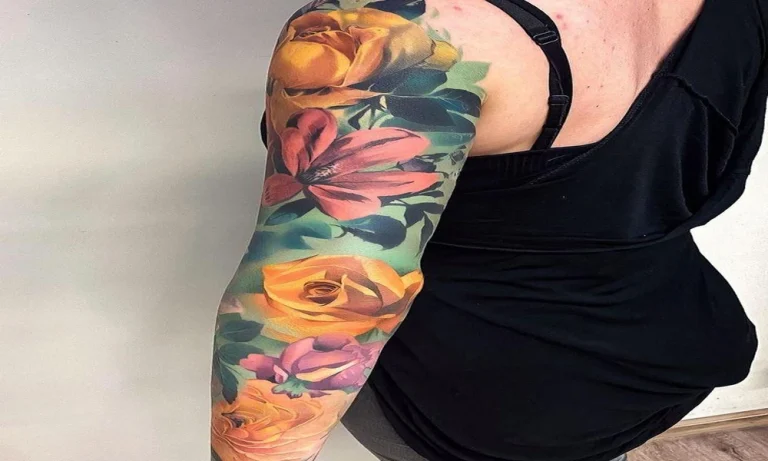
Tattoos are more than just body art. They often represent personal stories, cultural traditions, creative expression, and memorable life experiences. Whether it’s your first tattoo or one of many, there are several interesting facts about tattoos that many people may not know.

Tattoos Have Been Around for Thousands of Years

Tattooing is one of the oldest forms of body modification. Archaeologists have discovered tattooed human remains dating back thousands of years, showing that people have used tattoos for cultural, spiritual, and decorative purposes throughout history.

Your Tattoo Becomes Part of Your Skin

When a tattoo is applied, the ink is placed into the dermis, the layer beneath the skin’s surface. This is why tattoos remain visible for years while the outer layer of skin naturally sheds and regenerates.

Tattoos Can Be Great Conversation Starters

Many people choose tattoos that have personal meaning or unique artwork. As a result, tattoos often spark conversations and give people an opportunity to share stories about their experiences and inspirations.

No Two Tattoos Age the Same

Factors such as skin type, sun exposure, lifestyle, and aftercare can influence how a tattoo looks over time. Even identical tattoos placed on different people may age differently.

Tattoo Pain Varies by Location

One of the most common questions about tattoos involves pain. Areas with thinner skin or more nerve endings, such as the ribs, hands, and feet, are often more sensitive than locations with more muscle or padding.

Tattoos Continue to Grow in Popularity

Tattoos have become increasingly accepted across many professions, age groups, and cultures. Today, people choose tattoos for artistic expression, personal milestones, memorials, and many other reasons.

Final Thoughts

Having a tattoo is about more than just appearance. Tattoos connect art, history, and personal expression uniquely. From their ancient origins to modern designs, tattoos continue to be a meaningful form of self-expression for millions of people around the world.

This post was written by J Michael Taylor. J Michael Taylor is an artist and the owner of Black Amethyst Tattoo Gallery. Black Amethyst is one of the best tattoo shops in St Petersburg, FL. They provide an art-first approach to custom tattooing in a gallery setting.

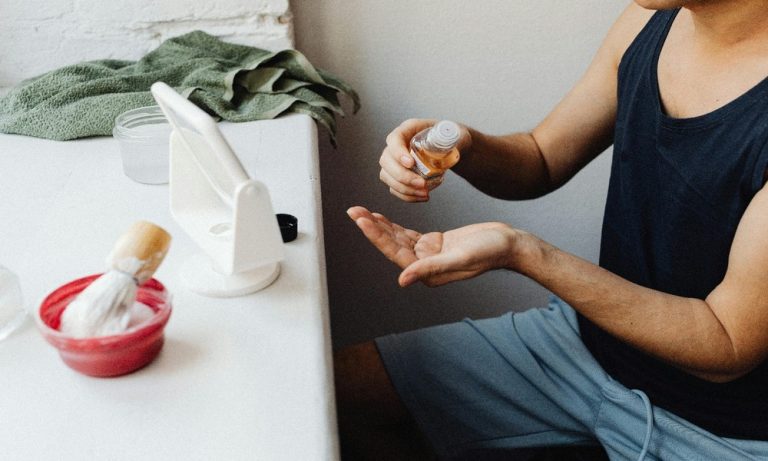
Personal grooming plays an important role in maintaining a confident and well-presented appearance. Simple daily habits can make a noticeable difference in how a person looks and feels. Grooming is not only about style but also about maintaining cleanliness, comfort, and overall self-care. By following a few essential practices, men can build a routine that supports both personal hygiene and a polished appearance. Consistency and the right tools are key elements in developing a grooming routine that fits easily into everyday life.

Building a Routine with Men Grooming Products

Using suitable men grooming products is one of the most effective ways to maintain a consistent grooming routine. These products are specifically formulated to support different aspects of personal care, including hair maintenance, facial grooming, and skin comfort.

Items such as beard oils, shaving creams, and hair styling products can help improve the overall grooming experience. Choosing the right men grooming products allows individuals to manage their appearance while ensuring comfort throughout the day. Regular use of appropriate grooming products can also contribute to a neat and well-maintained look that suits both professional and casual settings.

The Importance of Cleansers in Daily Care

A key part of personal grooming involves maintaining clean and refreshed skin. This is where cleansers play an essential role. Cleansers are designed to remove dirt, excess oil, and environmental impurities that accumulate on the skin during the day.

Using cleansers regularly helps maintain a balanced and refreshed complexion. Gentle cleansing can support skin comfort while preparing the skin for other grooming steps such as shaving or moisturising. Incorporating cleansers into both morning and evening routines helps maintain a feeling of freshness and cleanliness throughout the day.

Why Grooming Kits Are a Practical Choice

For those who prefer an organised approach to personal care, grooming kits can be a convenient option. These kits typically include a collection of essential tools designed to support everyday grooming tasks. Common items found in grooming kits may include nail clippers, trimming scissors, combs, and small grooming brushes.

Having grooming kits readily available helps ensure that essential tools are always within reach. This can make regular maintenance tasks easier and more efficient. Grooming kits are also practical for travel, as they allow individuals to keep their grooming essentials neatly arranged while away from home.

Maintain Facial Hair with Care

Facial hair, whether in the form of a beard or moustache, requires consistent maintenance to remain tidy. Regular trimming and shaping help maintain a defined appearance and prevent uneven growth. Using a comb or brush to keep facial hair neat can also help distribute natural oils and maintain a smoother look.

Washing facial hair regularly and applying conditioning products when needed can help maintain comfort and manageability. Well-maintained facial hair contributes to a more polished and refined appearance.

Pay Attention to Hair and Scalp Care

Hair care is another important part of a complete grooming routine. Washing the hair regularly with suitable products helps remove buildup while maintaining a clean scalp. Gentle styling techniques and regular trimming help keep the hair looking neat and manageable.

Choosing appropriate hair care products based on hair type can support better styling and overall appearance. Keeping the scalp comfortable and the hair well maintained helps contribute to a balanced grooming routine.

Small Habits That Make a Difference

Developing simple daily habits can significantly improve grooming results over time. Keeping nails trimmed, maintaining clean hands, and paying attention to personal hygiene are all important elements of personal care. These small efforts help maintain a neat and well-groomed appearance.

With a thoughtful routine and the right tools, grooming becomes an easy and rewarding part of daily life. Consistent care helps create a polished look that reflects confidence and attention to detail.

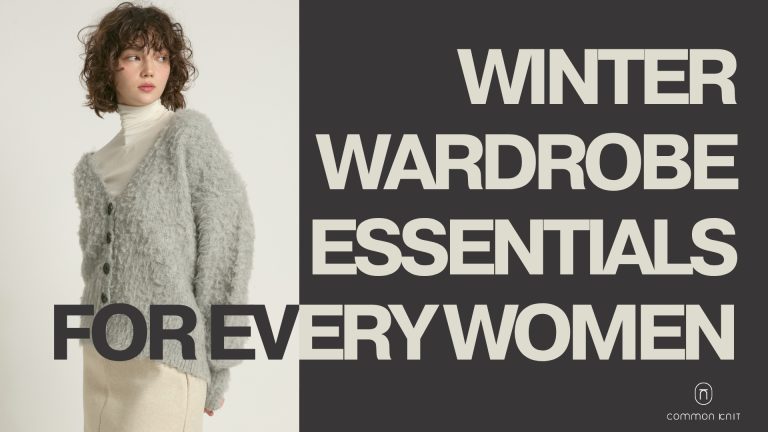
When winter starts coming in, everything changes a little. Mornings feel slower, nights get longer and suddenly your summer clothes do not make sense anymore. You stand in front of your wardrobe thinking – I have clothes… but nothing feels right for this weather. It happens with almost everyone.

The truth is, you don’t need a huge wardrobe for winter. You just need the right pieces. A few smart choices can keep you warm, comfortable and still make you feel good about how you look. And winter fashion is kind of fun if you keep it simple.

Let’s talk about the winter wardrobe essentials every woman actually needs, without any major expenses.

Start with a Good Minimalist Sweater

A minimalist sweater is one of those things you will wear again and again without even realizing it. It’s simple, clean and goes with almost everything. You don’t need loud designs or heavy patterns here. Plain colors like beige, grey, black or soft white work best.

What makes it important is how easy it is to style. You can wear it with jeans, trousers or even layer it over a dress. On days when you do not want to think too much about what to wear, this is what you go for.

Also, comfort matters more in winter. A soft sweater that feels good on your skin just makes your whole day better. Sometimes we ignore that, but it really does make a difference. If you are someone who shops for women’s fashion online, you’ll notice minimalist pieces are always trending. That’s because they do not go out of style easily.

The Long Cardigan You’ll Never Want to Take Off

A long cardigan for women is one of those cozy pieces that feels like wearing a blanket, but looks much better. It’s perfect for layering, especially when the weather is not too harsh but still cold enough.

You can throw it over a basic tee and jeans and still look put together. That’s the beauty of it. It doesn’t need effort.

Long cardigans also add a bit of structure to your outfit. They make even simple, casual women’s outfits look more stylish. And the length gives a nice flow when you walk, which just feels nice.

Try choosing neutral tones so you can mix and match easily. Once you have one good cardigan, you will understand why people love them so much.

Oversized Pullover for Those Lazy Days

There are days when you just don’t feel like dressing up. Maybe you are working from home, running errands or just meeting a friend for coffee. That’s where you can make use of an oversized pullover.

It’s relaxed, warm and super easy to wear. You don’t have to think much. Just put it on, pair it with leggings or jeans and you are good to go.

Oversized clothes have this comfort factor that tight clothes don’t give. And in winter, comfort is everything.

Also, they look effortlessly stylish. The minimalistic kind of vibe. Which, let’s be honest, is what most of us want.

The Power of an Oversized Scarf

If there is one accessory you should not skip in winter, it’s an oversized scarf. It’s not just about keeping warm, though it does that really well. It changes your whole outfit.

You can wear the same sweater and jeans combo, but add a big scarf and suddenly it feels different. More styled, more complete.

Scarves also give you flexibility. You can wrap them, drape them or even use them like a shawl. And on really cold days, you will be thankful you have one.

Textures matter here. Soft wool or cashmere blends feel nice and also look better. Again, neutral shades are easier to pair, but having one bold color is not a bad idea too.

Build Your Go-To Casual Women’s Outfits

Winter does not mean you have to dress heavily all the time. You can still keep things light, just layer smartly. Casual women’s outfits in winter are all about balance. A good pair of jeans, a soft sweater, maybe a cardigan on top and comfortable shoes. That’s it.

You don’t need 10 layers. Just the right ones. The idea is to create outfits you don’t have to overthink every morning. Because no one wants to spend 20 minutes deciding what to wear when it’s already cold outside.

Keep a few combinations ready in your mind. Like your favorite sweater with your go-to jeans. Or your oversized pullover with leggings. These small things save time and make daily dressing easier.

Layering is the Real Game

Winter fashion is mostly about layering. But layering doesn’t mean wearing everything you own at once.

It’s about wearing pieces that work together.

Start with a base layer, like a tee or a light top. Then add your sweater or pullover. On top of that, you can wear a cardigan or a coat if needed.

The key is to stay warm without feeling bulky.

Also, layering lets you adjust easily. If you go indoors and it’s warm, you can remove a layer. That flexibility is important.

Once you get used to layering, you will see how easy winter styling becomes.

Comfort Should Always Come First

Sometimes we try too hard to look stylish and forget how we feel in the clothes. But in winter especially, comfort matters a lot.

If something is itchy, too tight, or just doesn’t feel right, you won’t enjoy wearing it. Even if it looks good.

That’s why fabrics are important. Soft knits, breathable materials and good quality pieces make a big difference.

When you shop for women’s fashion online, don’t just look at how it looks. Think about how it will feel when you wear it for hours.

Because at the end of the day, you should feel comfortable in what you wear. That’s what makes you confident.

Keep It Simple, Always

You don’t need a complicated wardrobe to look good in winter. In fact, the simpler it is, the better it works.

Stick to pieces that you can mix and match. Neutral colors, basic designs and comfortable fits.

A minimalist sweater, a long cardigan, an oversized pullover and a good scarf can create so many different looks. You don’t need more than that.

Sometimes people think they need new clothes every season, but honestly, you just need better choices.

Where to Find the Right Pieces

Finding the right winter pieces can feel a bit confusing with so many options online. But if you focus on quality and comfort, it gets easier.

When you’re browsing, think about how often you will wear something. If it’s something you can wear multiple times in different ways, it’s worth it.

That’s how you build a wardrobe that actually works for you.

Winter Dressing Doesn’t Have to Be Stressful.

It’s really about having a few good pieces that you can rely on.

A cozy minimalist sweater, a long cardigan, an oversized pullover, and a soft oversized scarf can take you through most of the season without any trouble.

You don’t need to follow every trend. Just wear what feels good, keeps you warm, and fits your lifestyle.

At the end, clothes are just a part of your day. They should make things easier, not harder. So keep it simple, stay comfortable and enjoy the season a little.

A Change That Happens Without Being Noticed

Quiet shifts often go unnoticed at first. Little choices pile up, one after another. A fresh habit slips into place without warning. Soon enough, it seems as though it never wasn’t part of the pattern.

Here comes the shift-cruelty-free vegan leather bags slip into lives quietly. Not because they shout change, but because choices evolve. Something small kicks it off: a swap here, an interest there. Curiosity grows like morning light, soft and steady. Soon enough, picking one feels less like deciding-and more like breathing.

Fitting quietly into daily routines is what makes these shifts stick around. Not loud promises, just natural ease keeps them going.

Style That Lasts Past Trends

Style today isn’t just how things look when you first put them on. It shows up during rushed mornings, quiet afternoons, moments that stretch into evenings. Clothes move with you, bags hold what matters, everything works even when you stop noticing it. The right pieces don’t demand attention-they simply stay ready, step after step.

Today a bag does more than look good. Holding what you need matters, especially when days shift without warning. Comfort sticks around even after long stretches, not fades by midday. It flows with your rhythm because structure follows movement. Good form shows up quietly, built into moments instead of forced. Style lives in how it works, not how hard you try to keep it together.

Out here, simple things catch your eye first. Clean lines sit well next to open areas, while the right amount of heft keeps it grounded. No extra bits hang around, still there is no sense something got left out. The way it works stays calm, only grows clearer with time spent using it.

The Quiet Influence of Mindful Decisions

A quiet shift is changing choices, one that whispers rather than shouts. You see it in hesitation, not haste-when someone holds back instead of clicking buy. Questions creep in: Does this matter? Will it last? Looks begin to lose their grip. Fit matters more now, not just size or color, but whether it fits the life being lived.

Now comes a shift, quiet but clear-people pick paths that match what they hold inside. Not loud declarations, just inner balance matters. Decisions flow from silent beliefs, not public approval. Alignment feels heavier than argument these days.

This change does not remove flair-instead, it adds layers. A design that blends beauty with intention forms bonds beyond surface charm. Not merely pleasing to see, it becomes satisfying to hold and live with.

Redefining Everyday Luxury

Nowadays, luxury isn’t stuck in old rules. Not just rare things or fancy names matter anymore. What someone cares about each day helps shape what feels luxurious to them.

Few things last these days. Yet some bags still manage to show up everywhere, from city sidewalks to weekend trails. Not because they scream attention, but because they simply keep going. One might find them tucked under an office desk one day, then tossed into a train car the next. Their worth builds quietly, through repeated use, instead of flashy moments.

Luxury means things work without effort. Because they stay put, there’s no need to fix them often. Even after many months, they still seem fresh-like the moment you first held them.

Nowhere does it say these things must fight each other. With a new approach, design fits life instead of interrupting it. Balance shows up when choices align quietly, not loudly. Each part holds its place, letting function breathe alongside form.

Built for Everyday Familiarity

Every sunrise brings the same quiet ease when you know just where to grab. When a bag moves with your rhythm, it stops being something you carry. Instead, mornings shape around it, like habit forming without effort.

What feels familiar happens on purpose. Slowly, it grows from doing the same thing again and again. From times you never stop to question if it’ll hold up-because it already has.

It just works, so you stop worrying about it. Confidence shows up when things do what they should, day after day. There’s no need to prove anything-being useful is enough. Over time, trust builds simply because nothing ever goes wrong.

A Shift in What Matters Most

Now, clothes are leaning toward less. Not every season brings total overhaul-some things stick around because they still matter. These are the ones that shift with time instead of fading out.

Choices come with purpose. Not always less-just closer to real life. Items fit actual days, not someone else’s idea of them. Decisions mirror routine, not rules.

A quiet change, yet one that matters. How people put together closets now looks different because of it-so does the way they buy clothes, also their daily interaction with fashion.

Quiet Confidence

Something shifts when silence speaks louder than words. Not needing approval, it simply stays. What matters fits without shouting. This calm knows its place.

Quiet moments find their match here. Not loud, never shouting for attention. Over time, they slip into daily motion-worn regularly, relied upon completely, valued quietly even when unseen.

A whisper can carry more weight than a shout. Meaning often hides in the pauses, not the noise.

Final Thoughts

Few shifts happen overnight. Step by step, they grow-quiet choices woven into ordinary days.

This moment isn’t only about clothes changing. A deeper move is unfolding-how individuals view their belongings, daily tools, even purpose. Thought patterns are shifting, slowly reshaping values once taken for granted. Ownership means something different now, not just possession. The everyday choices reveal new priorities forming quietly beneath.

Slowly, these small decisions build into more-finding calm where design meets meaning, comfort walks with thought. Yet within that mix, daily fashion quietly appears-not forced, simply true, built to last.

Great style is rarely about one beautiful piece standing alone. The strongest looks come together when every element supports the same mood, shape, and level of polish. That is especially true when choosing clip-ins for outfit-led dressing. Instead of asking which texture looks prettiest on its own, it helps to ask which finish makes a blazer feel sharper, denim feel cooler, or a soft brunch outfit feel more complete. For textured and natural-looking mane, the right add-on should work with the structure of your clothes, not compete with them. When the volume, movement, and finish of your tresses match the silhouette of your outfit, the entire look feels intentional, balanced, and far more elevated.

Why Structure Matters More Than Extra Fullness

When dressing textured or natural-looking tresses with tailored pieces, the goal is not simply to add more volume. It is to create proportion. A blazer, for example, already brings shape through the shoulders and a cleaner line through the body, so the most flattering finish often comes from the Best Clip In For Black Hair that offers body with control rather than overwhelming fullness. That balance keeps the outfit looking refined instead of top-heavy.

Think about a black blazer, white tank, and jeans. The outfit works because it mixes structure with ease. If your clip-ins are too dense, too shiny, or too dramatic for the clothing, the styling can feel disconnected. A more believable finish with soft texture, light movement, and a shape that frames the face neatly will support the blazer’s clean lines without making the overall look feel forced. In fashion terms, the texture should complete the silhouette, not take it over.

How Denim Looks Better with Airy, Effortless Texture

Denim usually looks best when it feels relaxed but intentional. Whether you are wearing straight-leg jeans with a fitted tee or pairing a button-down with dark denim and loafers, the outfit already has a grounded, easy confidence. That is why slightly airy texture tends to work so well here. Clip-ins with too much stiffness can make the look feel overdone, while tresses with softness and a touch of natural bounce keep the outfit modern and wearable.

This is also where realism matters. Denim invites ease, so your mane should move in a way that feels natural with everyday dressing. A slightly brushed, touchable finish complements the casual strength of jeans better than anything overly formal. The same rule applies to a shirt-and-trousers outfit: polished does not have to mean rigid. The best result usually comes from texture that gives shape and softness at the same time, especially when the rest of the outfit relies on sharp basics and understated accessories.

When Softer Movement Creates a More Fluid Fashion Impression

For textured or natural-inspired styling, there are moments when a lighter, more fluid finish simply makes more sense. That is especially true for a slip skirt with a fitted top, a monochrome cream knit set, or a brunch dress paired with delicate jewelry and soft glam makeup. In those cases, Natural Hair Extensions with a softer wave pattern can create a gentler fashion impression because they echo the softness of the clothing rather than interrupting it.

The reason this works so well is movement. Soft waves visually loosen an outfit in the best way. They make a look feel lighter, more romantic, and less severe, which is ideal for daytime events, vacation dressing, or polished casual moments that are meant to feel effortless. Instead of adding weight, they add flow. That makes them especially useful when your outfit includes draped fabrics, softer color palettes, or feminine shapes that benefit from a little visual motion.

How to Keep Simple Outfits from Feeling Too Heavy

One of the easiest styling mistakes is choosing a finish that is too heavy for the outfit underneath it. A cream knit set, a simple fitted tank with trousers, or an understated co-ord can lose its elegance if the tresses feel overly thick, overly styled, or too glamorous for the moment. Simpler outfits usually need balance through realism, not excess. A lighter density, believable texture, and a shape that follows the neckline of the outfit often look far more expensive.

A good rule is to match the visual weight of your mane to the visual weight of your clothes. Structured pieces can handle a bit more definition, but clean minimal outfits tend to look best with softness and restraint. If your clothing is sleek and quiet, let your add-ons bring body and dimension without dominating the look. The result is an elevated casual style that feels cohesive from head to toe, which is always more fashionable than choosing texture in isolation.

FAQs

Should clip-ins always match the outfit mood?

Yes, that is usually the smartest approach. When your texture supports the mood of the clothing, the entire look feels styled with intention. Tailored outfits often benefit from controlled body, while romantic or softer looks usually work better with fluid movement.

What works best with a blazer and trousers?

A polished finish with natural body is often the strongest option. You want enough fullness to frame the face and balance the structure of the blazer, but not so much that it competes with the clean shape of the outfit.

Can soft texture still look elevated with casual outfits?

Absolutely. Elevated casual style is all about believable polish. When your mane has realistic movement and a finish that complements denim, knits, or low-key tailoring, it can make even the simplest outfit look complete and thoughtfully styled.

The crisp air, misty trails, and the satisfying crunch of frost beneath your boots, that’s something magical about hiking in cold weather. But as every seasoned hiker knows, the key to enjoying those chilly adventures isn’t just endurance or the right route but layering. Layering is your comfort zone in unpredictable mountain weather; it is way beyond than just another piece of clothing. It gives warmth between strenuous climbs, and your best defense against biting winds when you stop to take in the view. 

Therefore, choosing the right sweatshirt for layering on cold hikes is essential for comfort, warmth, and flexible protection in shifting outdoor conditions. Your sweatshirt plays a much bigger role than you might think.The ideal piece should integrate seamlessly with your other apparel, accommodate various activity levels, and provide functional style on the trail. With a vast range of outdoor graphic tees, outdoor sweatshirts, and outdoor hoodies available, how do you choose the right sweatshirt for cold hikes? That’s where understanding the essentials of cold-weather layering will help you make smart, lasting choices for your next adventure.  Let’s break it down so you can hit those trails warm, dry, and stylish.

Understanding the Layering

Before picking a sweatshirt, it’s important to understand why layering matters in the first place.

When hiking in cold conditions, your body temperature fluctuates constantly. You heat up while climbing but cool down quickly when you stop. The right layering system allows you to adjust your insulation efficiently to stay comfortable and dry throughout your hike.

Layering for cold hikes typically involves three key components:

  • Base layer: Wicks moisture away from skin dries fast, keeps skin comfortable under exertion, rain, or snow. Setting the foundation for your cold hike layering is a technical outdoor graphic tee. Made from synthetic material (polyester, nylon, blends) or lightweight merino. Adds a layer of style and personal expression with custom outdoor graphics. On especially cold hikes, graphic tees with long sleeves or compression fits boost thermal retention.
  • Mid-layer: Adds insulation and traps heat this is where your sweatshirt comes in. Your choice of outdoor sweatshirt should coordinate with your outer layer. 
  • Outer layer: Protects against wind, rain, and snow (a waterproof or windproof jacket). For dry, cold conditions: Pair with a lightweight, insulated shell or vest. For wet, windy weather: Add a waterproof jacket (Gore-Tex, eVent, etc.) over your hoodie. Down jackets and synthetic puffers provide extra warmth over your mid-layer. For maximum flexibility, your outdoor sweatshirt or hoodie should serve as the mid-layer, coming after a technical graphic tee or moisture-wicking base and before a water-resistant shell or insulated jacket. Your sweatshirt is the heart of warmth in this setup — balancing breathability and insulation. Pick the wrong one, and you’ll either overheat and get sweaty (which leads to chills) or feel cold and clammy within minutes.

Choosing the Right Fabric For Layering 

When shopping for a hiking sweatshirt, fabric choice can make or break your comfort level. Not all sweatshirts are created equal especially for outdoor performance.

Let’s explore the most common fabrics and their pros and cons:

Cotton: The Classic, but Not for Cold Hikes

Cotton sweatshirts are cozy for casual wear, but they’re a poor choice for hiking. 

Why? Because Cotton absorbs moisture, dries slowly, and can be dangerously cold in wet conditions. Once it’s wet — from sweat, mist, or light rain — it loses its insulating properties and can make you feel cold fast. If you plan on hiking in chilly or unpredictable conditions, avoid 100% cotton. Always favor technical outdoor sweatshirts or hoodies designed for hiking over casual fashion cotton.

Fleece: The Gold Standard for Mid-Layers

Fleece is the go-to material for hikers. It’s lightweight, warm, breathable, and dries quickly.

Fleece sweatshirts trap heat effectively while wicking moisture away from your body, making them ideal for layering.

Look for polyester fleece sweatshirts with brushed interiors — they’re soft against the skin and offer excellent insulation without bulk.

You’ll often find fleece in different “weights”:

Lightweight fleece (100 gsm): Good for mild cold or high-intensity hiking.

Midweight fleece (200 gsm): Ideal for general winter hiking.

Heavy fleece (300 gsm): Perfect for very cold, low-activity conditions.

Merino Wool: Nature’s Performance Fiber

Merino wool sweatshirts are premium options for serious hikers. Sweatshirts made with merino wool, polyester fleece, or blends are top picks for hikers. These are favorites for their versatile weight and comfort. Merino insulates even when wet, offers odor resistance, and dries quickly. 

Technical synthetics wick moisture away and provide lightweight warmth, critical for active movement in the cold.​ They’re naturally temperature-regulating, odor-resistant, and moisture-wicking. Unlike traditional wool, merino is soft, breathable, and doesn’t itch. If your hike involves fluctuating temperatures say, a frosty morning that turns into a sunny afternoon — merino wool adjusts perfectly to your body heat.

Blended Fabrics: The Best of Both Worlds

Many performance brands now create sweatshirts using fabric blends — combining fleece, spandex, and nylon to achieve the perfect balance of warmth, flexibility, and durability. Blended options often include stretch panels, which allow better movement, and durable water-repellent (DWR) coatings for light moisture resistance.

Fit, Mobility & Features for Layering That Makes Difference

When hiking, small design details can have a big impact on comfort and performance. Here are the key features to look for in a sweatshirt designed for cold hikes:

Here’s what to look for:

  1. Athletic, Comfortable Cut – Athletic or “active” cuts allow freedom of movement. It reduces bulk under your outer jacket. a must on uneven or steep terrain.
  1. Hoods: This one’s a personal choice. Hooded sweatshirts offer extra warmth and protection in windy conditions. Protects your head and neck, fits well under a shell or over a beanie. Hoodless designs layer better under jackets and feel lighter. If you often hike in windy or variable conditions, a fitted hood can make a big difference.
  1. Elastic or Adjustable Hem – A cinched hem traps warmth and keeps cold air from sneaking in, especially on blustery summits.
  1. Raglan sleeves or articulated arms: For a full range of motion offer better shoulder mobility, ideal for climbing, scrambling or using trekking poles.
  1. Pockets – Functional pockets are a must. Choose a sweatshirt with Zippered chest pockets for secure storage. Handwarmer pockets for quick access to gloves or snacks. Internal mesh pockets if you like to stash small essentials. Just make sure the pockets don’t create bulk under your outer layer.
  1. Thumbholes: A small but mighty feature. Thumbholes keep sleeves in place preventing it from riding up while providing extra hand warmth. Perfect when you’re wearing gloves.
  1. Avoid oversized sweatshirts for cold hikes- They may feel cozy but will create air gaps, reducing insulation efficiency. However, a too-tight fit restricts circulation and can cause overheating. The perfect sweatshirt sits comfortably close to your body without feeling restrictive. Also look for stretch panels for enhance flexibility and comfort during movement.
  1. Zippers & Vents: Half-zip or full-zip sweatshirts are incredibly practical. Half-zip sweatshirts allow temperature regulation during exertion. Zipper and ventilations allow you to regulate body temperature quickly, unzip during steep climbs and close it up when you stop. Look for high-quality zippers that don’t snag or let in drafts.
  1. Weather Resistant – Weather Resistance: Not All Sweatshirts Can Handle the Elements. While a sweatshirt isn’t meant to replace your outer shell, it can offer some degree of weather resistance. If you expect light rain or wind, look for DWR-coated fabrics for water repellency. Wind-resistant fleece or softshell panels on high-exposure areas like the chest and shoulders. Quick-drying materials to prevent chill from dampness. Remember, in true rain or snow, you’ll still need a waterproof shell on top.
  1. Durability, Packability and Maintenance – Outdoor activities demand tough construction (reinforced elbows, abrasion-resistant fabrics), as it takes a beating from brushing against branches to enduring constant friction from backpacks. High-quality outdoor hoodies and sweatshirts hold shape and keep insulation after many washes and tough hikes.​ When selecting a sweatshirt for hiking choose abrasion resistant fabrics like polyester or blended fleece. Reinforced elbows and shoulders add longevity. Opt for anti-pilling finishes to maintain that smooth texture even after multiple washes. Always check care instructions. Most high-performance materials should be washed in cold water, air-dried, and never ironed to preserve insulation quality.
  1. Weight and Packability: Outdoor hoodies for various activities demand a light bulk for easy packing. Travel Light, Layer Smart. When hiking, every ounce matters. A good sweatshirt should be lightweight yet insulating, and ideally, compressible enough to fit in your backpack. Light or mid-weight fleece sweatshirts strike the perfect balance. They’re easy to stuff into a pack without taking up much space and dry quickly if they get damp. Pro Tip: If your hike involves varying altitudes, pack a light fleece sweatshirt plus a thin down jacket instead of one bulky layer. This gives you more control over warmth levels throughout the trek.

A great hiking sweatshirt should feel like a second skin snug enough to trap warmth but flexible enough to allow unrestricted movement. Hence, choose a sweatshirt or hoodie with enough room to wear a base layer underneath and a shell over top.  

Layer Compatibility: It’s All About the System

Your sweatshirt isn’t meant to work alone. It’s part of your layering system. That means it should fit well under your jacket and over your base layer. Here’s how to check:

  1. Try layering before buying: Wear your base layer and outer jacket when testing sweatshirt sizes.
  2. Check sleeve and hem lengths: Ensure they don’t ride up under your jacket.
  3. Smooth outer fabric: Prevents friction when layering.
  4. Thumbholes or elastic cuffs: Keep sleeves in place and block cold air entry.

The right sweatshirt should slide easily under your shell while providing a comfortable layer of warmth that moves with you.

Style vs. Functionality — Why You Can Have Both

Gone are the days when outdoor gear meant bulky, dull-colored clothing. Today’s sweatshirts are designed with style and performance in mind. From earthy tones and textured weaves to sleek silhouettes and minimalist cuts you can look great on the trail and in the café afterward. Choose sweatshirts and tees that express your favorite outdoor destinations, activities, or eco-conscious values for trail-to-everyday versatility. If versatility matters to you, choose a neutral-colored sweatshirt (like charcoal, navy, or olive) that pairs well with both hiking gear and casual outfits.

Best Practices for Layering

  1. Start with a technical outdoor graphic tee: Synthetic or lightweight merino tees set the stage for sweat control.
  2. Add your outdoor sweatshirt or hoodie: This traps heat, breathes, and moves with you.
  3. Pack for flexibility: Prepare for changing temps; choose sweatshirts with zips or mesh for ventilation.
  4. Top with an insulated or waterproof shell: Essential for wind, rain, or deeper cold.
  5. Accessorize: Hats, gloves, neck gaiters, and warm socks finish your cold-hike system.
  6. Try Before You Hike – Fit and comfort are everything. Always test your sweatshirt in real conditions before relying on it for a big hike. Wear it during a local walk or light outdoor activity to see how it performs in motion.

Layering for Different Hiking Conditions

For Windy Days:  Choose a hoodie with a fitted, adjustable hood and longer cut in the back for additional draft protection.

For Rain/Snow:  Opt for synthetic or merino sweatshirts under a waterproof shell. Avoid cotton or loose-weave fleece.

For High Altitude:  Pack a thicker insulated mid-layer (hooded sweatshirt or light down jacket) in addition to your standard layering pieces.

Mistakes to Avoid

  • Overly thick sweatshirt: Restricts movement, hard to layer under a shell.
  • Cotton sweatshirts: Retain moisture, can lead to chills/hypothermia.
  • Too-tight fit: Makes layering awkward, creates cold spots.
  • Underestimating weather: Always bring a shell/rain jacket even if clear—mountain weather changes fast.​

Caring for Your Layers

  • Follow care instructions: Wash technical gear in cold water, air dry if possible.
  • Avoid fabric softeners: They can inhibit moisture-wicking.
  • Store in dry, protected areas—prolongs insulation and avoids mildew.

Make the Right Choice

Picking the ultimate outdoor sweatshirt, hoodie, or graphic tee for layering on cold hikes is about performance, style, and flexibility. Does it breathe well? Does it cause overheating? Do the seams rub when carrying a backpack?

Answering these questions beforehand ensures you’ll have a reliable companion when you hit those colder trails.

When you choose high-quality technical fabrics, prioritize fit and layering compatibility, and focus on features that enhance both trail utility and everyday comfort, your gear will serve you well through every adventure. 

So next time you gear up for a cold hike, remember: your sweatshirt isn’t just another layer — it’s your personal climate control system in the great outdoors.

Bundle smart, move free, and keep exploring.