
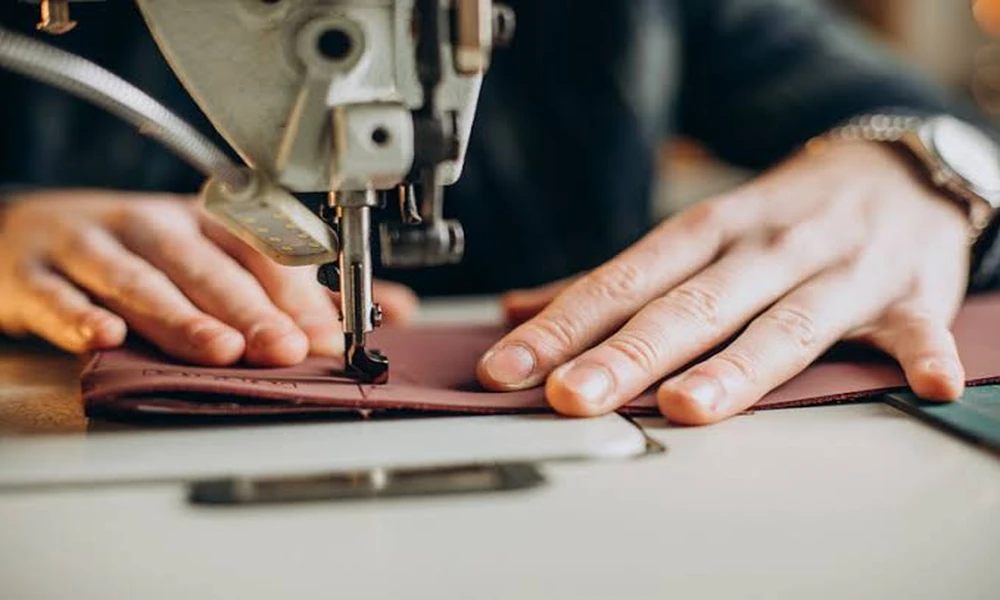
High-quality leather jackets, skirts, or trousers will last you for years. But even good leather might not be perfect-fitting. Like you put on a trouser and the seams are wearing thin, or the styles you once liked seem so out of touch.
Professional leather alterations cannot just make the suit or dress fit better, but they help to maintain the aesthetics and feel of the garment while being less likely to compromise on its original strength.
What Can Be Changed?
Leather is not as forgiving as cotton or other common fabrics. Some errors do not disappear without leaving a scar or hole. That is the reason you should deal with leather work cautiously and use appropriate gear.
A seasoned tailor might also be able to:
- Shorten sleeves or jacket lengths
- Waist or Side Seams adjustment
- Narrow trouser legs
- Replace damaged zippers
- Repair torn seams
- Replacing buttons, snaps, or other hardware
- Add or remove lining material
Which of these methods you use will depend on the leather, garment pattern, and degree of alteration needed.
Why Leather Requires Special Care?
Leather naturally has marks but leather does not react like ordinary fabric. You have to bear in mind that stitching leaves permanent holes, which means that after a few changes the material becomes frail. Examples include heavy needles, sturdy flex thread, and industrial sewing machines if you are working with thick leather.
When a tailor makes, one has to take into consideration a little more than measurements. They should also examine:
- How thick or soft the leather is
- Existing stitch lines
- Decorative panels and seams
- The condition of the lining
- Zippers and pockets placements
These particulars prevent a change/alteration to the base fabric shape or balance of the garment form.
When Alterations are Worth It?
Not all leather goods need to be replaced. A simple adjustment could alleviate discomfort and make the item easier to wear.
Alterations for leather are useful when:
- This garment is fine in most respects; however, it requires only minor adjustments
- The leather is absolutely top notch and in great condition
- It is an emotionally or personally valuable item
- Finding a replacement would be a challenge
- It’s a classic style that is bound to never go out of use
A simple alteration can increase the lifespan of a garment and help reduce even more unnecessary clothing waste.
Choose the Right Professional
Before you plan to give your leather to the tailor, ask him/her if s/he has done something with it. Leather jackets, suede garments, and heavy motorcycle leather may need different techniques.
Inquire about the changes going to happen, risks associated with it, and expected time of finish. An experienced person should be able to assess whether the alteration will leave leather unharmed.
You should also examine the past work of the tailor. Seek tightly spaced stitches, even edges, straight seams, and fittings that sit flatly.
Protect the Finished Garment
Instructions for follow up after an alteration. Refrain from humid conditions, direct heat, and vigorous cleaning agents. Keep the clothing in a dry and cold place utilizing an expansive holder for garments and coats.
Final Thoughts
Leather alterations take an uncomfortable or broken item and make it a pleasure to wear again. This is an indication that leather hides are very hard to repair once they have been cut, and this deliberate planning along with the touch of a professional are essential. Leather jackets can lose their shape, style, and utility quickly, but with the right tailor they could last for several more years.

Comments are closed.