Tag

surfing apparel

Browsing

Core Insights for Active Water Enthusiasts

  • Selecting appropriate swimwear ensures comfort and freedom of movement across diverse water sports.
  • A quality rash guard for women provides vital protection against ultraviolet rays and surface friction.
  • Modern aquatic apparel combines functional performance fabrics with versatile, stylish coastal designs.
  • Proper care and maintenance significantly extend the lifespan of your favourite water sports gear.

Embracing Life on and in the Waves

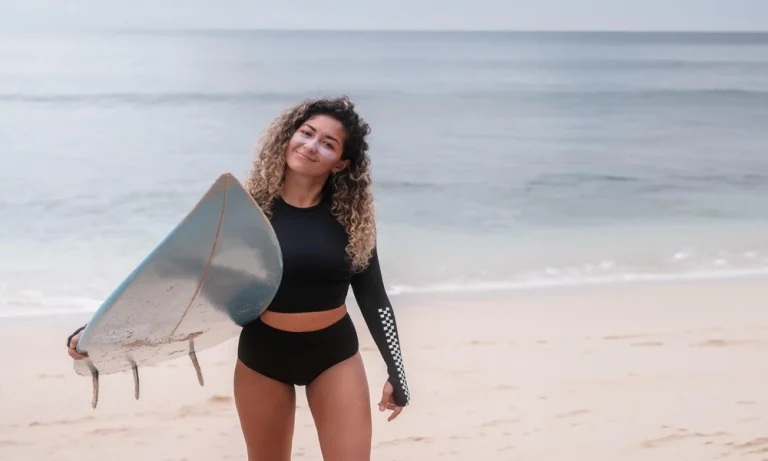
Stepping into the water for a morning surf session or an afternoon paddle board excursion brings a sense of absolute freedom. However, enjoying these dynamic aquatic activities comfortably requires more than just standard swimwear. Whether you are catching breaking waves or gliding across calm coastal waters, having the right gear transforms your entire experience. Trusted names like Hurley in Singapore provide apparel that balances stretch, durability, and style, allowing you to focus completely on your performance while staying protected under the tropical sun.

Why Is Specialised Swimwear Essential for Water Sports?

Standard fashion bikinis and casual swim trunks often fall short when subjected to the rigorous demands of surfing, swimming, and paddle sports. Vigorous paddling, frequent wipeouts, and constant water friction place immense strain on both fabric and stitching. Specialised active swimwear utilises advanced, quick-drying textiles that resist sagging and maintain a secure fit during high-energy movements. Furthermore, high-performance designs incorporate flatlock seams to prevent chafing, ensuring you remain comfortable from your first wave to your last.

What Makes a Quality Rash Guard for Women Indispensable?

When spending hours outdoors, shielding your skin from sunburn and abrasion is an absolute priority. Incorporating a reliable rash guard for women into your water sports wardrobe offers superior ultraviolet defence without restricting your upper body mobility. These specialised tops safeguard delicate skin against surfboard wax friction, sand irritation, and harsh solar radiation. Crafted from lightweight, breathable materials, they dry rapidly once you step back onto the shore, preventing the chilly discomfort often caused by damp cotton fabrics.

How Do You Select the Right Fit and Fabric?

Choosing the ideal water sports apparel requires evaluating several key performance and comfort factors:

  • Stretch and Recovery: Look for four-way stretch fabrics that move naturally with your body contours.
  • Moisture Management: Prioritise rapid-drying synthetic blends that prevent heavy water retention.
  • Coverage and Security: Ensure boardshorts and tops stay firmly in place during active swimming or wipeouts.
  • Sun Protection Ratings: Check for ultraviolet protection fabrics to safeguard exposed skin effectively.

Where Can You Find Reliable Gear Locally?

Sourcing durable aquatic apparel in a vibrant tropical hub requires knowing where to look for trusted performance brands. Finding quality options like Hurley in Singapore ensures you have access to gear specifically engineered for warm-weather coastal climates and frequent ocean use. Local availability means you can easily test fits, explore seasonal collections, and select versatile pieces that transition effortlessly from the surf break to casual beachside lounging, supported by reliable collections available from Hurley in Singapore.

Making Waves with Confidence

Equipping yourself with the right swimwear empowers you to embrace every aquatic adventure with total confidence and comfort. By prioritising functional performance, sun safety, and durable craftsmanship, you ensure your time in the water remains memorable for all the right reasons.

Contact us today to explore our latest collection of performance swimwear and active apparel with Hurley.
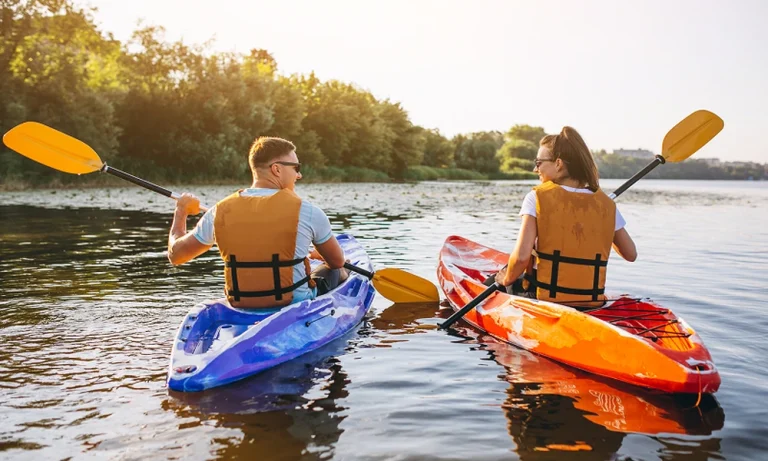
Water isn’t just water. A beach, a lake, and a river each put clothing through a completely different kind of stress, and packing the same outfit for all three usually means being slightly wrong for at least two of them. The differences aren’t cosmetic either; they affect comfort, movement, and in some cases actual safety.

It’s worth understanding what each environment actually demands before assuming one outfit will carry you through a weekend that might involve all three.

Beaches: Sun, Sand, and Constant Salt Exposure

Beach conditions are defined by three things working against your clothing at once: direct sun, abrasive sand, and salt water that dries stiff and scratchy if it isn’t rinsed out. Loose, quick-drying beach shorts for men handle this combination well, since they’re built to shed sand easily and dry fast enough to avoid that damp, salty stiffness that ruins regular fabric after a few hours in the sun.

The sun exposure alone tends to be underestimated, since reflected light off sand and water adds to direct exposure in a way that shaded activities simply don’t have to contend with.

Lakes: Calm Water, a Completely Different Set of Rules

Lakes rarely involve the same abrasive sand or constant salt spray, but they bring their own quirks. Water is often colder than it looks on a warm day, and lake beds can shift from soft mud to sharp rocks within a few steps. Clothing that dries reasonably fast still matters, but grip and coverage tend to matter more here than pure water-shedding ability, especially for anyone wading in rather than swimming from a boat or dock.

Bugs are also more of a factor around lakes than at most beaches, which makes slightly more coverage a practical choice rather than just a style preference. Still water also tends to hold onto heat differently than open coastline, so temperature can shift more noticeably between shaded and sunny patches of the same lake.

Rivers: Current and Grip Matter More Than Anything Else

Moving water changes the entire equation. Loose clothing that’s perfectly fine in still water can drag or snag against rocks and current in a river, which is why surfing apparel built for active movement in water, rather than passive lounging, tends to translate better to river conditions than a standard beach outfit does. Footwear becomes far more important here too, given how uneven and slippery a riverbed can be underfoot.

Current also means clothing needs to stay secure, not just comfortable, since anything too loose risks catching on submerged branches or rocks in a way that still water simply doesn’t threaten. This is also where footwear tends to matter more than any other single item, since a slip on a wet, uneven riverbed carries real consequences beyond a bruised ego.

A Quick Check Before You Head Out

Regardless of which of the three you’re headed to, a short mental checklist tends to prevent most of the discomfort, especially on a trip that might involve more than one of these environments in a single weekend:

  1. Will the clothing dry quickly, or will you be stuck in something damp for hours?
  2. Does it move freely, or will it drag and restrict movement once wet?
  3. Is footwear appropriate for the actual terrain, sand, mud, or rock?
  4. Is there enough coverage for the sun exposure you’re likely to get over the full outing?

The Short Version

  • Beaches demand sand-shedding, fast-drying fabric that can handle constant salt exposure.
  • Lakes call for grip and coverage more than pure water resistance, given unpredictable lake beds.
  • Rivers need clothing built for active movement against current, not passive lounging in calm water.
  • Footwear matters as much as clothing once terrain turns uneven or slippery.

One outfit rarely covers all three environments well, and pretending otherwise usually means discovering the gap the hard way, mid-trip, with no easy fix available.

Packing with the actual destination in mind, rather than a generic idea of ‘water clothes’, tends to be the difference between a comfortable day and one spent quietly regretting the packing decision by the second hour.

See the full Leonian range built for whichever water you’re headed to next. Visit us and see our latest collections today!